
Cochise County Arrest Court Path
A Cochise County jail arrest normally begins with arrest, local booking, and an initial custody decision. Arizona Courts' criminal-case overview says an arrested person must be brought before a judge for an initial appearance within 24 hours or released. At that appearance, the judge verifies identity and address, advises rights, addresses counsel, determines probable cause for continued custody or release, and sets release conditions. That event is not the same as a conviction. It is an early court step after arrest.
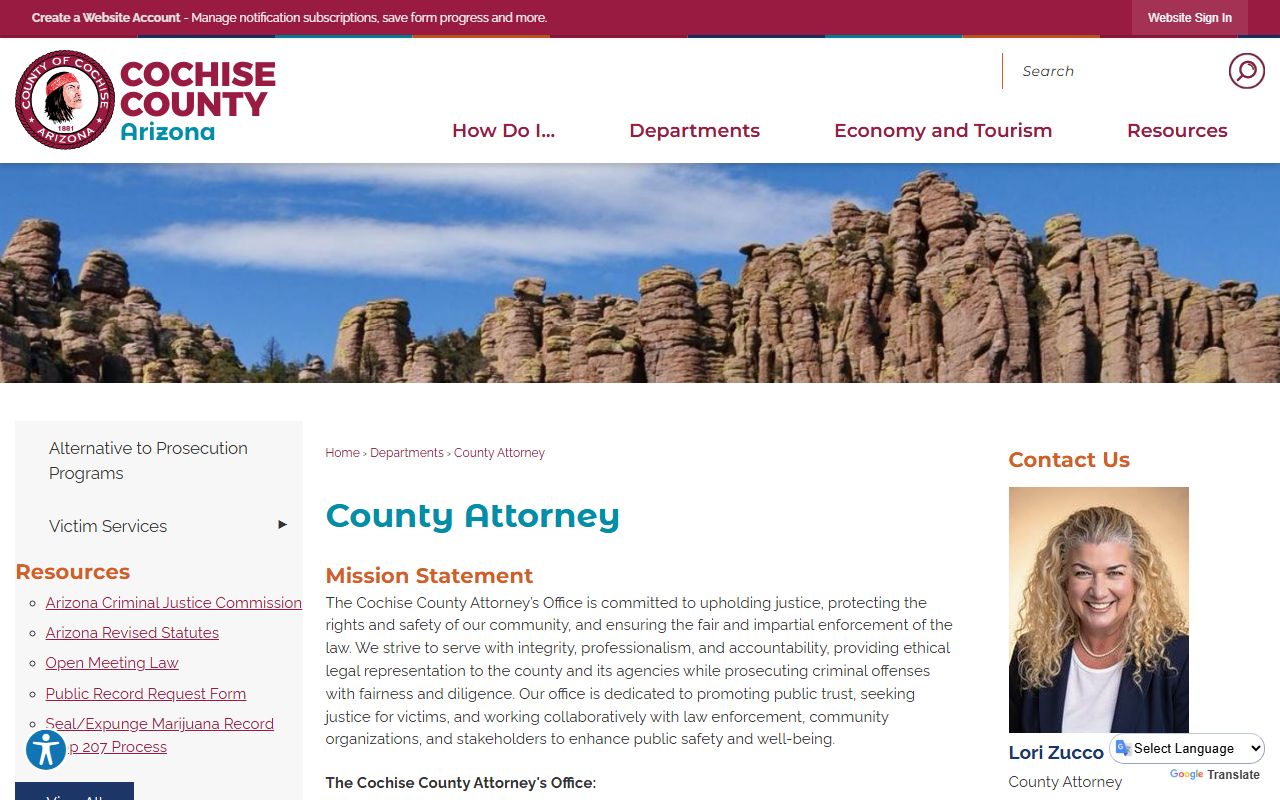
The prosecutor's role comes next. The Cochise County Attorney's Office, led by Lori Zucco in the research file, prosecutes felony criminal cases in Superior Court, misdemeanor criminal cases in the county's Justice of the Peace Courts, and juvenile cases in Juvenile Court. The office says law enforcement investigates before a complaint is issued. The felony division reviews submitted investigations, files felony complaints, submits felony matters to the grand jury, and prosecutes indicted cases.
The County Attorney page is a useful source for understanding how a jail arrest can become a filed Cochise County court record.
For custody status before a court case appears, use the jail. For filed charges and case documents, use court systems.
Search Cochise County Court Records
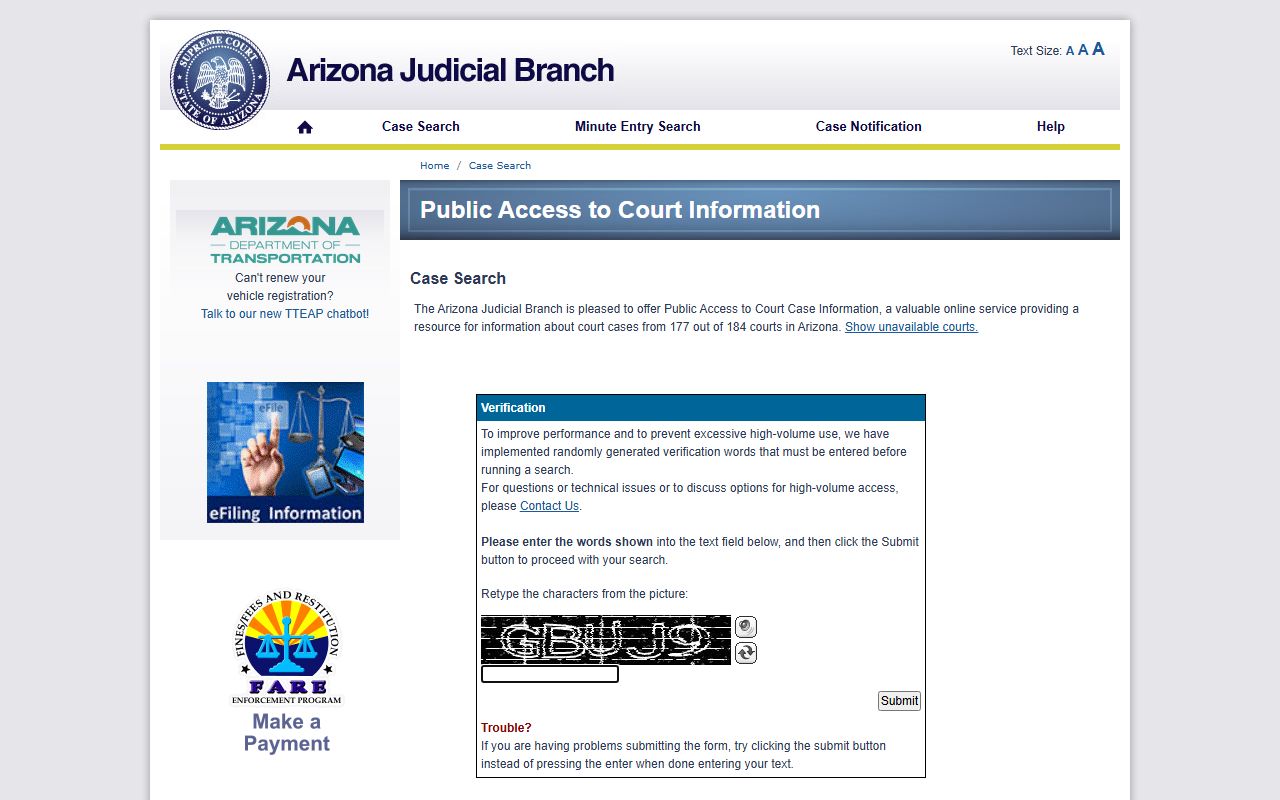
The first statewide index is Arizona Public Access Case Lookup. It is a public case-information portal, not the official court file. The portal requires CAPTCHA verification and says information may not be current, accurate, or complete. It also says data is updated weekly each Friday with case information through Wednesday. That update schedule is important after a same-day or weekend jail arrest because the court record may not show yet.
| Public Access Item | What It Means | Limit |
|---|---|---|
| CAPTCHA | Required before search | High-volume automated search is blocked. |
| Statewide coverage | Case information from most Arizona courts | Not every court or case appears. |
| Weekly updates | Friday updates through Wednesday data | Same-day arrest records may not appear. |
| Excluded records | Sealed cases, some juvenile matters, orders of protection, and other protected data | Absence from the portal is not proof no record exists. |
The Arizona Public Access screenshot shows the verification and public-record limitation screen that users encounter before searching.
Use this portal as an index. Verify official court records with the clerk or the court of record.
Cochise County eAccess Records
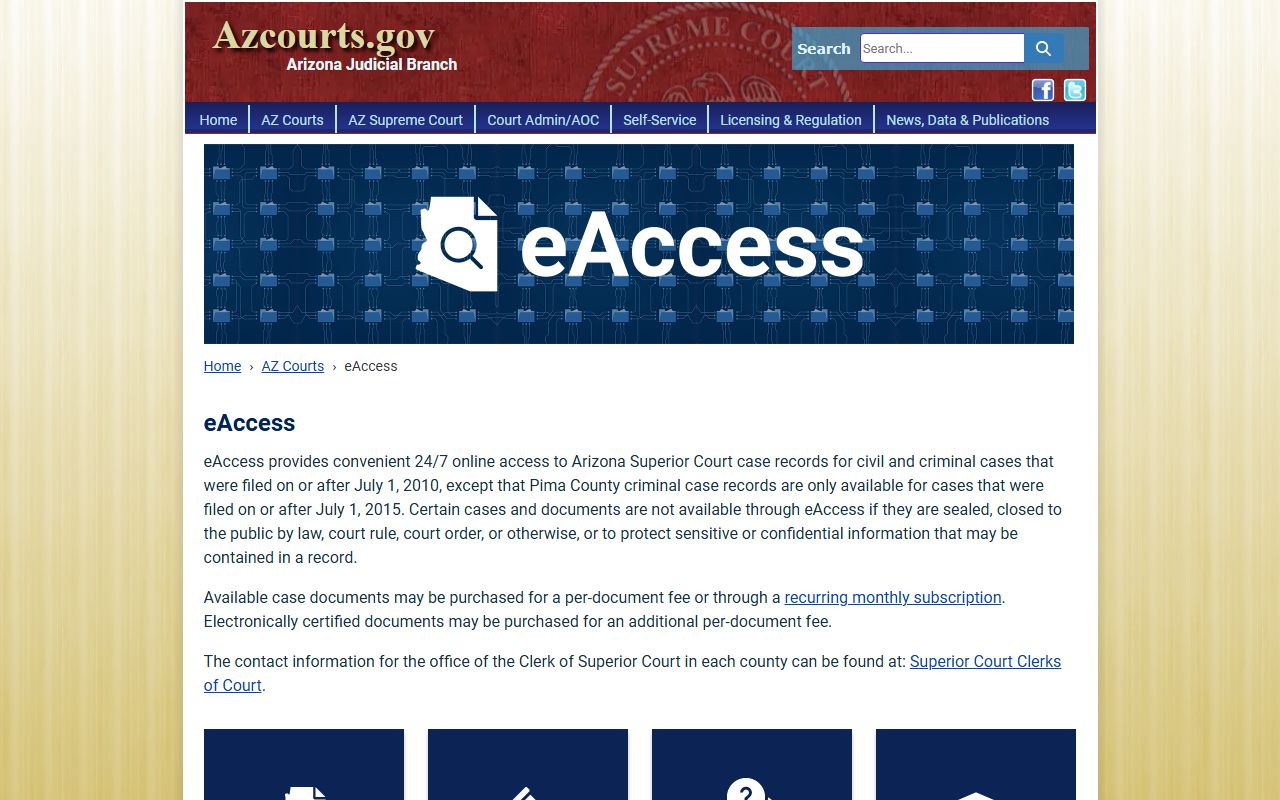
For Superior Court criminal and civil documents, Arizona's eAccess provides online access to unrestricted documents filed on or after July 1, 2010, subject to exclusions. The Cochise Clerk page says documents may be available for a one-time fee of $10 or by subscription, and electronic certification can be used where available. eAccess is different from a case-index search because it can provide actual documents, not just case status lines.
| eAccess Field | Use | Notes |
|---|---|---|
| Basic search box | Case number or party name | Full or partial values may be used. |
| Select a Court | Narrow to Cochise County Superior Court | Recommended when available. |
| Case filing date range | Limit older or broad searches | Custom dates or presets may be available. |
| Case type | Use criminal case-type indicators | Examples in the guide include CR. |
| Charge information | Review statute, description, classification, and disposition | Blank disposition can mean the charge is not yet disposed. |
The eAccess page is the official route for many unrestricted Superior Court documents after a Cochise County arrest becomes a filed case.
Purchased documents have access and download rules, so save the official copy through the portal process when the court document is needed.
Cochise County Charging Documents
Court records after an arrest should be read by document type. A booking charge is not always the formal court charge. The prosecutor can decline a charge, file a different charge, amend or reduce a charge, proceed by complaint, or seek an indictment from a grand jury. A charge is an accusation. A conviction is a finding or plea that resolves the charge. That distinction is essential for employment, housing, immigration, licensing, and personal-record questions.
| Document | Who Uses It | What It Does |
|---|---|---|
| Complaint | Prosecutor or court process | Often begins a criminal case and lists alleged offenses. |
| Information | Prosecutor | Formal charging document after required felony procedures. |
| Indictment | Grand jury process | Formal accusation returned after grand-jury presentation. |
| Record Term | Meaning | Why It Matters |
|---|---|---|
| Charge | An allegation filed or listed in court | It does not prove guilt. |
| Disposition | The outcome of a charge | May show dismissed, pled, convicted, acquitted, or other result. |
| Conviction | A guilty plea, verdict, or qualifying finding | It is different from an arrest or booking entry. |
| Sealed record | Record access restricted by law or order | Some justice entities may still have access. |
Cochise County Clerk Record Requests
The Cochise Clerk record-copy page explains how to request Superior Court documents. Superior Court records can include criminal records, civil cases, probate, divorce, marriage licenses, and older records, but Justice Court records are not maintained by the Superior Court clerk. A request should include record type, party names, approximate date, and case number if known. Older records or records without a case number may require research.
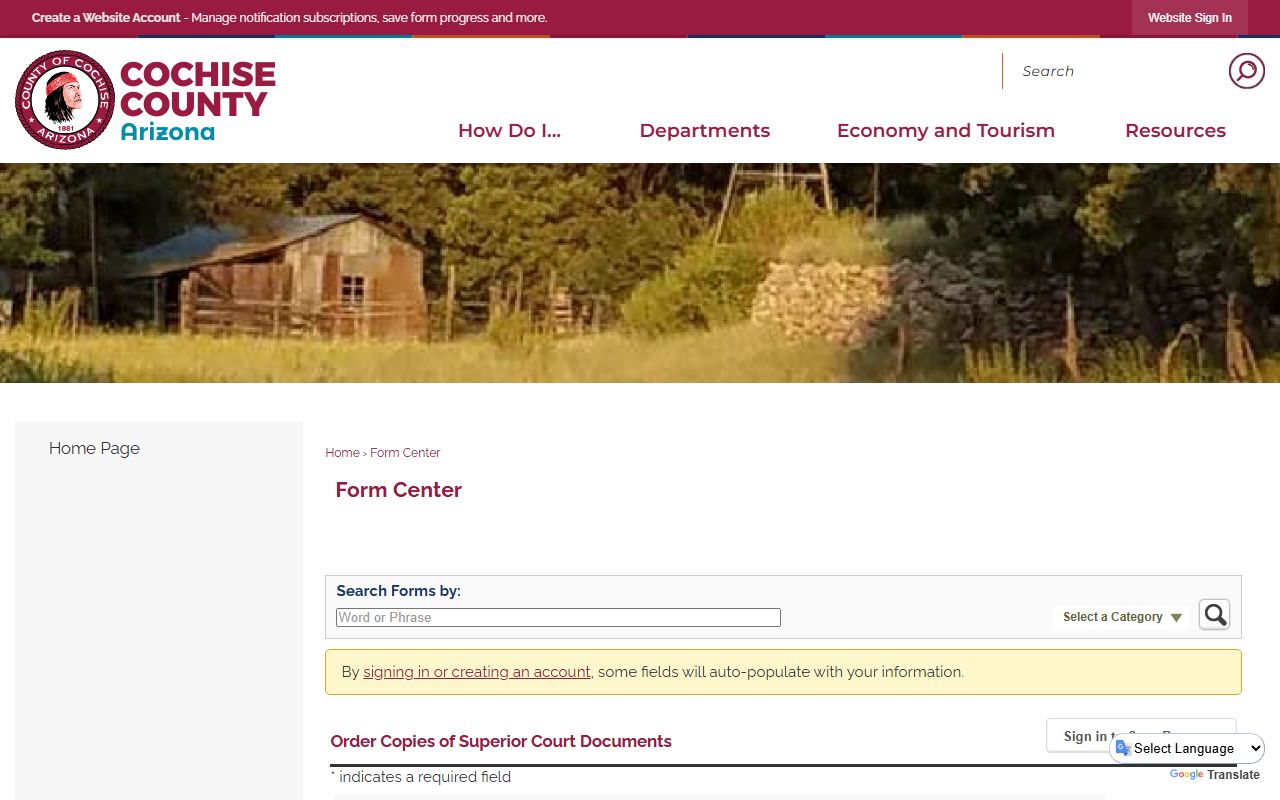
The online Superior Court copy request form asks for delivery choice, commercial-use status, certification need, case number if available, date or year, party names, document needed, case type, comments, and electronic signature. The PDF request form lists copy and certification fees, including $0.50 per page, $35 certification, $35 research fees when needed, and general fulfillment in a reasonable time, generally no more than 10 business days depending on record availability.
The online copy request form is the county-specific path when eAccess does not provide the needed court document.
Certification matters when the record must be used for an official purpose. Certified documents cannot always be emailed.
Cochise County Justice Court Records
Misdemeanor, traffic, and some warrant-related matters can sit in Justice Court rather than Superior Court. The County Attorney page says misdemeanor prosecutions are handled in JP 1 Bisbee, JP 2 Douglas, JP 3 Benson, JP 4 Willcox, JP 5 Sierra Vista, and JP 6 Bowie. The limited-jurisdiction court record-search policy says phone requests are not accepted for those lower-court records. Written or in-person methods should include court name, case number if known, party name, date range, record type, and contact information.
Justice Court pages are also important for failure-to-appear and payment-plan issues. Cochise Justice Court materials say failure to appear or pay can have serious consequences and may affect vehicle registration. The payment page says noncompliance can lead to driver license or registration suspension, arrest warrant, collection fees, or tax-refund interception. Published payment acceptance rules vary by Justice Court, so a warrant-bond payment should be verified with the court before anyone travels.
Sealed vs. expunged: Arizona research here identifies sealing under A.R.S. § 13-911. Do not assume every sealed record is erased or unavailable to justice agencies.
Cochise County Bond and Warrants
Bond and warrant entries in court records after arrest should be read with care. A person can have cash bond, surety bond, personal recognizance release, a secured appearance bond, a no-bond hold, or a detainer from another agency. No dedicated official Cochise County active warrant search was located in the research. Court records, the court of record, and jail custody channels are safer than unofficial warrant lists.
| Status | Meaning | Where to Verify |
|---|---|---|
| Cash bond | Full amount paid to secure appearance | Court or jail, depending on the order. |
| Surety bond | Licensed bond company posts under contract | Court record and bond paperwork. |
| PR release | Promise to appear, often with conditions | Court release order. |
| No-bond hold | Bond unavailable or not set | Jail and issuing court. |
| Detainer | Another jurisdiction or agency may block release | Jail, court, or agency holding the detainer. |
Arizona warrant statutes in the research include A.R.S. § 13-3897, which addresses probable-cause warrant issuance, and A.R.S. § 13-3907, which allows a detention officer to arrest on an existing warrant in listed jail or court settings. Those laws explain why an existing warrant can connect a person to jail even when a new public complaint is not yet visible online.